 There are many methods you can use to decide what to price your product or service at, but your baseline for setting your pricing has to first take into account what it costs you to produce or offer that product. I know, this sounds very simple and commonsense, but you’d be surprised how many people have not run their numbers, and are working off a guesstimate!
Now don’t go all math-phobic on me! Because ‘running your numbers’ is not only invigorating, it’s empowering – and yes, I’m someone who loathed math in school too. So this kind of math needs to be put into the ‘I love receiving money‘ section of your brain – not the math section. If you view it this way, you may even find yourself enjoying this process! And yes, as per usual, I’m going to walk you through every single piece…
Determine Baseline Cost of Products
So let’s say you want to sell a printed book. First, you have to calculate your baseline or hard cost to produce and offer that book for sale. So you might figure out the cost per unit (cost per book) this way:
| Printing 100 copies | $400 |
| Shipping books to warehouse | $50 |
| Cover design cost | $60 |
| Book layout design cost | $60 |
| TOTAL: | $570 |
So your hard cost per book ($570 divided by 100 books) is $5.70 per book
Then, you may also want to factor in these costs:
| Fulfillment cost per book | $0.40 |
| Warehouse, insurance, shopping cart (per month) | $80 |
Optional: Are you going to include the cost of your monthly storage and insurance fees? Are you going to factor in the cost (broken down) of your website hosting, telephone, shopping cart, office rent, etc.? Or are you going to ignore these costs, since you are selling 5 other products as well, and just write them off as “cost of doing business”? There is no right or wrong answer – you can choose to be super accurate, or happy with a rougher ballpark figure.
So let’s say you ballpark your grand total cost per book at $7.00
Acceptable Amount Of Profit
 Now that you know that your total baseline cost is $7.00 per unit, your next step is to decide how much profit you want to make per book.
You might say, “Well, I’m happy with a 100% markup, so I’ll price the book at $14.00”
If you were only going to sell your book directly to your customer, that price would be fine. But what if you want to sell your book in bookstores? The standard wholesale price for books is a 40% discount off the retail price. This means if your retail price is $14, then 40% of 14 is $5.60, so you would need to sell the book to bookstores for $8.40.
Wait a minute, your cost per book is $7.00, so that means you’re not only making $1.40 profit per book… now how does that sound? Not so great, eh?
Wholesale Pricing
So even if your business model is to sell direct, you may want to set your pricing to take into account the fact that you may want to sell in stores at some point. Standard wholesale pricing is 40 – 50% off the retail price. If you are going to sell to a distributor – who then sells to retail stores – the distributor will want a 50 – 60% discount.
A quick and easy way to take into account all these pricing scenarios is to take your baseline cost and multiply it by at least 3. Here’s what that looks like for your $7 book:
| Production cost per unit: | $7 |
| Cost x 3 = Retail Price: | $21 |
| Selling Direct: | $21 (profit to you is $14) |
| Wholesale Price (40% discount) | $12.60 (profit to you is $5.60) |
| Distributor Price (50% discount) | $10.50 (profit to you is $3.50) |
The rationale for making less money from wholesale or distributor sales is that selling through these channels should result in a greater number of books sold (higher volume). So even though your profit per unit is less, you hopefully will net out with more money due to a much larger number of books being sold.
Choose a Method to Use to Set Your Price
Now that you know your baseline cost and you have a good ballpark on the minimum retail price you need to set, it’s time to determine your final price.
Fine-Tune Your Price
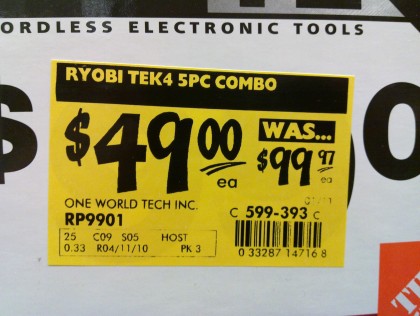 Once you’ve figured out your retail price, fine-tune it further by making the number appeal to the widest audience.
Make sure your price ends in a 5, 7, or 9. This is because split tests have shown that if you offer a product at say, $22.99 versus $23 – more people will buy the $22.99 product because it feels cheaper to them. Amazingly enough, most people round down, not up.
Tim Smith, PhD and founder of Wiglaf Pricing has an explanation for this phenemenon:
Busy consumers will try to make decisions based on value, and since we read from left to right, the most important numbers are always on the left. So you’re more likely to notice the first number when something is $9.99 and think it’s a much better deal than $10 because nine is less than 10. Your mind discards the rightmost digits to save mental energy and time. Although it’s only a penny less, a $29.99 item is psychologically perceived as a mental victory against the vendor than paying $30.”
Other Internet split tests have shown that ending the price in a 5, 7, or 9 triggers the most purchases. For example, $97 will pull better than $94 (yes, even though it’s more expensive!).
So if you want $100 for your product, price it at $97.
If you want $25, price it at $24.99
If you want $7, price it at $6.95
One last tip: Adding zeros or commas to a price makes it look/feel larger.
So if you want to minimize the impact of your price, keep it short and sweet.
For example, $249 is better than $249.00
And $4999 is better than $5,000.00
But if you want to emphasize the price – let’s say you’re including some free bonuses with your program – then throw in those commas and zeros! For example, if I want you to appreciate that I’m giving you a great free gift with your purchase I can list the price of my product at $67 and the free bonus value at $38.00.
Adding free bonuses or add-ons can increase the perceived value of your product – but before we get into bonus land, let’s figure out some of your own base pricing…
Pick at least one of your products and figure out a profitable price for it, using the tips and techniques I gave you in this unit:
What is the total cost of producing or providing the product or service?
Multiply that cost x3 to get the base retail price for the product/service
Make sure your number ends in a 5, 7, or 9
Use zeroes to make your price look bigger – get rid of the zeroes to make your price look cheaper.
Keep in mind that the profitable price is not necessarily the best price for your product or service – because you also need to take positioning into account. Maybe your course is profitable if you sell it at $39, but because you are positioning it as an exclusive, premier product, you should actually sell it at $149 and thus you will get more buyers at that price. If you’re confused, we cover pricing and positioning more in audio format below:
 Join me as I talk about the elements of deciding how to price your products or services:
- Selling solutions vs. selling products
- What your product is worth vs. what your people can afford
- Researching your competitors (why this is not so helpful)
- Before-purchase vs. after-purchase knowledge
- The Happiness Test
I’ll give you real-life examples and prices, and tell you stories about how we learned to price and position our products to our customers to build a multi-million-dollar business. Lots of goodies in this 31-minute audio!:
DOWNLOAD Pricing & Positioning Part 1 or click the PLAY button below:
[sc_embed_player fileurl=”http://listentofreedom.s3.amazonaws.com/pricing-positioning-part1.mp3″]
When you get to the part of the Audio where I talk about what your product is worth versus what people can afford, keep in mind this quote from Paul Zelizer:
While I’m a BIG fan of you getting paid well for your skills and expertise, there is hidden ego focus in a “Charge what you deserve!” approach. At a deep level, it’s saying your needs and desires are the ONLY thing that matter. It implies that your clients and prospective clients are like human ATM’s without any feelings or needs of their own.”
And then when you get to the place in the Audio where I talk about the “dollar store phenomenon”, check out this actual order from my health shoppe to see what I mean!

Got all that? Now join Ian Thompson as he fields questions from Freedomite Lori Clarke. Lori has a new Audio series and she needs to pick Ian’s brain on what and how she should price it.
Here are some of the topics discussed in this lively call:
- How to price something your heart wants to give for free
- Why connection is more important than price
- How to use webinars or teleseminars to sell your products
- How to test pricing and give yourself the flexibility to lower your price whenever you want – without devaluing your product.
As Ian walks Lori through the process, you’ll get to experience your own A-ha moments and also learn why positioning is more important than the price!
DOWNLOAD Pricing & Positioning Part 2 – Right-click to download this 51-minute audio, or click the PLAY button to listen:
[sc_embed_player fileurl=”http://listentofreedom.s3.amazonaws.com/pricing-positioning-part2.mp3″]

 7. Now turn those points listed in #6 into a paragraph – and that is your positioning statement, or compelling offer, for your product or service!
 Coaching and consulting services are particularly easy to add to your product roster because they do not require any production time – but keep in mind they do take your actual time to deliver, and therefore you’ll be limited in how much you can offer.
 Horse Trainer or Dog Trainer: Not everyone can afford to hire you personally to come out and work with their animal and many people just need some advice, or a fresh perspective. So you could offer:
 If you’re a counselor, or therapist you may only accept clients who will book and pay for a 5-Session Package – because that’s the number of sessions you know people need in order to see results.
 If you’re only conducting one-on-one sessions, many prefer to use
  Think about how you can start building a relationship with that person in your niche. And is there anything you can do for them, or give to them? If you can start building relationships with other people in your field, you will then be able to interview them for your blog, or your podcast, or do a teleseminar with them, or even a joint-venture with them.
 The only other person – also a medical doctor – who did not respond to my emails, nor return my phone calls, lived in Australia and was a world-renowned gastroenterologist who also lectured worldwide and headed up the GI department at one of the top hospitals in Sydney. Totally understandable that he would have zero time to respond back to me.
 Why have I been talking for pages now about offering a free mini-consult? Well, let’s go back to the Golden Rule of Business: What would you like to receive? How would you like to be treated?

 programs where some hands-on, in-person training is crucial, there is likely to be an entire chunk of the training that can be automated content delivery.


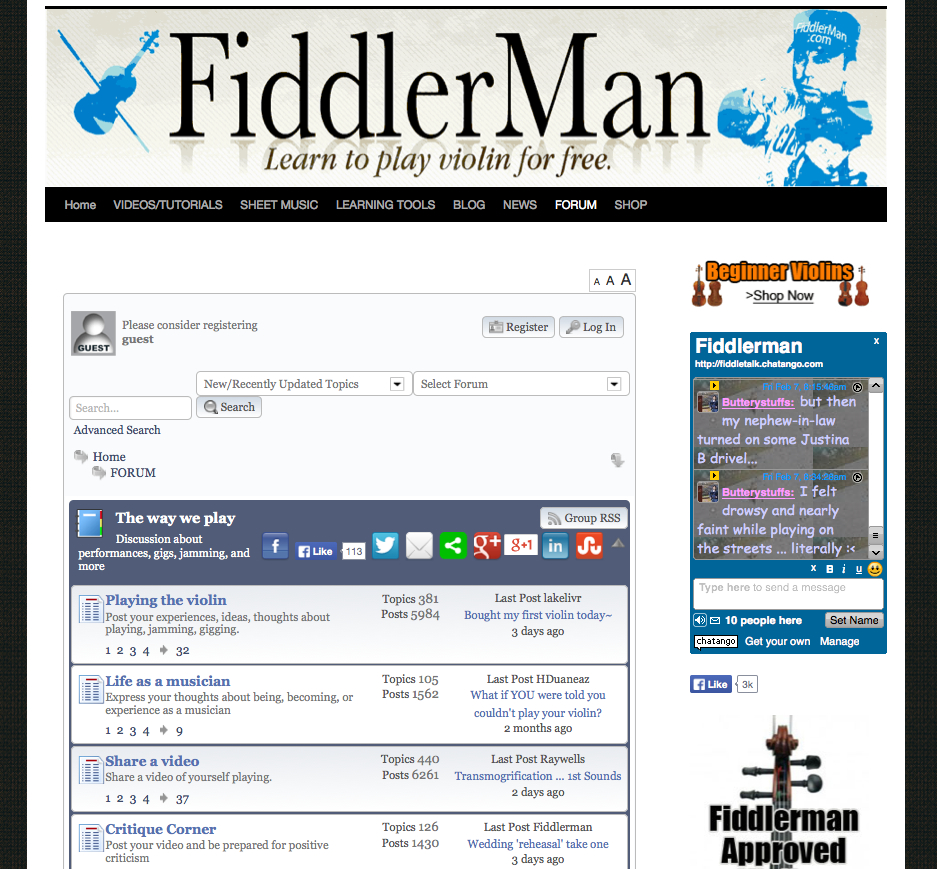







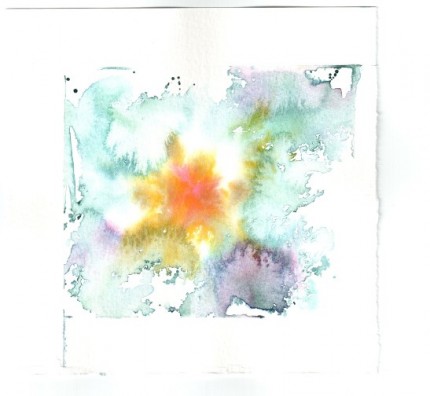

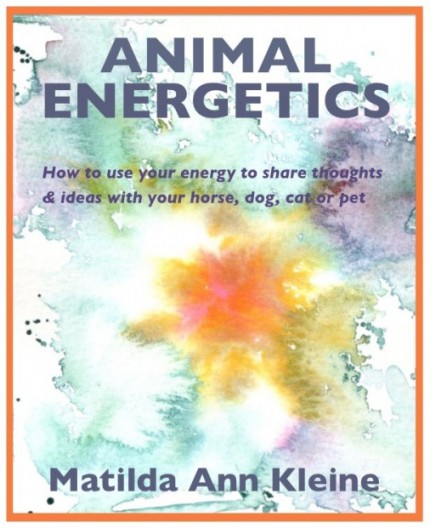
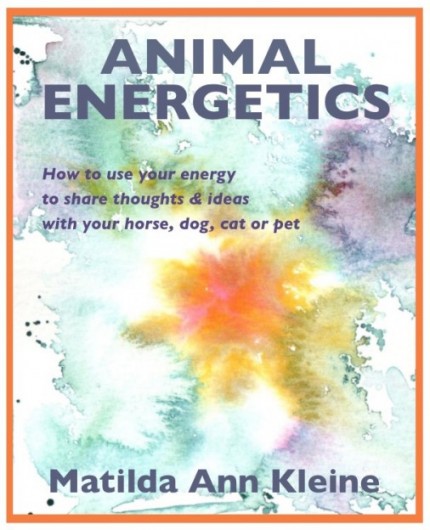 Voila! Your original piece of artwork has been turned into a beautiful cover for your eBook and is ready for blogging, pinning, posting and listing in your shop. How easy is that?








 2. She then drew out her cover idea, and used a graphic designer (sourced on
  3. Finished Cover:




 The simple way to launch a new product or program is to let your email list (including blog subscribers) know about it by: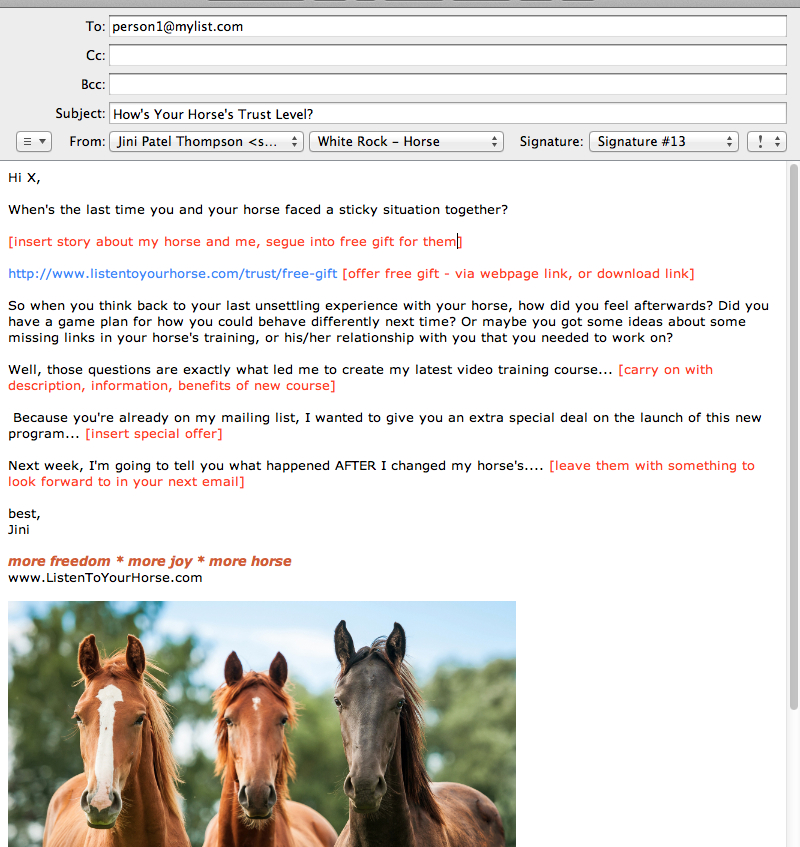


 So, for a more complex product launch, you need to have at least these five elements in place:


 Some people have a landing page that only offers one option – for example they want the visitor to sign-up for a free audio, or video. There are no other options or links available on the page. That’s what I showed you in the Listen To Your Freedom example above. Statistically, that method works.
 Here’s a way to ensure that the people you would love to joint-venture with (have them promote your product to their list) agree to do so: By making them part of your product!
 There are three things I want you to notice about this email:
Recent Comments