 The main reason you want to promote your site is not just to market yourself and your stuff to potential customers, but to get people to opt-in (sign-up) to your email list.
It is very rare that a person will buy anything from you on their first visit to your site. That is why capturing their email address is CRUCIAL.
Once you have their email address, you can begin to build a relationship with them, by sending them lots of free and helpful stuff.
Your free, helpful stuff is located on your site or blog, so this drives traffic to your site (which increases your search engine ranking) and also keeps bringing them back to you.
After they know you and TRUST you, then they are likely to buy from you, if you have what they need.
So here’s what that looks like:
SOCIAL MEDIA
Facebook ~ Twitter ~ YouTube ~ Pinterest ~ Instagram ~ LinkedIn ~ etc

YOUR SITE
Your Blog Post or Your Homepage or Your Landing/Special Offer Page
OPT-IN
Opt-In to your great freebie
and become part of your email list
EMAIL MARKETING
You start building a relationship with them
by giving them more great stuff for free
PURCHASE
Now they buy from you
So first you have to get people to your site.
Then you have to get them to opt-in and give you their name and email address.
Your email list (database) is your most valuable asset. It is your most powerful marketing tool, but it is also easy to overwork your list and lose people. If you email people too often, it becomes annoying and they will unsubscribe. And yes, I’ve tested this! I’ve found that a maximum of 1 email per week results in long-term email retention. Some of my list have been with me for over 10 years without unsubscribing.
There is lots more to learn about the best way to use your email list, and build a relationship using that list (email marketing), over here!
For now, let’s focus on the free and easy ways to tell people about you, and get them to your site, so they can sign up for that precious email list! So this module is all about the free ways you can market your stuff and build your tribe, using various social media. I will also help you figure out which social media you should be using to promote yourself and your stuff. But first…
Pressie Time!
Yay, time for another free gift: I took this marketing and sales sequence I gave you above (with the arrows, showing each step) and had my designer turn it into a nice pdf chart/graphic for you.
Print this out and pin it near your computer, so that it imprints on your brain and also so that you can check off the steps easily and quickly, making sure you haven’t missed any steps in the process.
This chart is not just useful for your social media marketing, but for ANY vehicle, platform or media you use to tell people about your stuff (Google AdWords, Joint-Ventures, Blog Posts, Guest Posts or Interviews). So I have expanded the chart to reflect all these different ways of telling people about the awesome stuff you have for them.

DOWNLOAD the Easy-Peasy Sales Success Chart
Remember: You don’t just tell people about your stuff, you always send them to a place on your site that has a sign-up box, where you can capture their name and email for your list.
Social Media
Many people rave on about the power of social media, but in reality, the main use of Facebook, Twitter, LinkedIn, Pinterest, etc. is to drive people to your site/blog, where they can sign up for your email list, see what you have to offer and get to know you better. Social media will rarely generate you direct sales (unless you are using it to promote a specific campaign), but your email list will.
Tim Grahl from Out:think (a marketing firm specializing in authors) illustrated this point perfectly when he revealed that one of his authors’ email list outsold ALL her social media activities by 100:6. That means that all her posts on Twitter, Facebook, her blog, etc. netted her 6 sales of her new course. Two emails to her list (an announcement email, then a last-chance email) netted her 100 sales. I can absolutely confirm their experience through my own testing of various marketing methods.
Your email list is King and the purpose of all of your social media marketing is to drive people to your site, where they can sign-up for your email list.

How Do I Tell People About My Stuff?
Your website (blog posts, keywords) and your daily marketing activities are like the backbone of your site promotion that keep working for you while you sleep, or even when you’re on vacation. You just have to blog once and it keeps working for you – even years later, you will still have people leaving fresh comments on a good blog post.
Likewise, you only have to upload a great video once, and year after year it will continue to tell new people about you and your solutions, prompting them to visit your website or blog, where they can sign up to your list.
Your daily, ongoing marketing and promotion should include things that don’t cost you a dime – like blogging, posting to Facebook, Twitter, Pinterest, commenting on other people’s blogs, posting in forums, uploading videos to YouTube, etc.
A lot of this ongoing “marketing” activity (giving people helpful information, or entertaining them) will likely occur naturally, since you have chosen a business that is something you’re already active, passionate and interested in.
Don’t turn this kind of site-promotion into a big deal!
If you have time to text your friends and family, you have time to carry out at least one of these social media marketing activities each day. And of course, remember to always provide a link to your site and give your full name, or the name of your site (in case the link is deleted and someone wants to Google you).
How To Promote Your Stuff Offline
Now let’s say, for example, that you absolutely hate blogging. Or maybe it’s just that publishing blog posts – whether written, or video, or audio downloads – is just not something you can get into a groove with. So you find you hardly ever do it. And as a result, no one knows about you! And your site generates very little organic search engine traffic.
If this is the case, then even if you have the best website in the world, you still won’t make much money because no one is coming to your site – they don’t even know you exist.
If this sounds like you, then don’t despair. Instead, either get some great affiliate partners with active blogs to promote your stuff for you, or, focus on all the offline ways you can let people know you exist and what you can offer them.
Depending on your niche or topic, different venues will work better than others, but here’s a list of ideas to get you going:
Give talks; free or paid – community organizations, local businesses, interest groups, clubs, etc. Make sure you have hand-out cards or postcards listing your tagline, elevator speech and website available, so people can find you. Maybe let them know you have a free gift for them on your website.
Host introductory, or free workshops – again, these can be local, or you can offer them in whichever cities or areas are likely to have a good concentration of your ideal customer. Make sure you have hand-out cards or postcards listing your tagline, elevator speech and website available, so people can find you online. If possible, let them know you have a free gift for them on your website, to encourage them to visit and sign up to your list.
 Offer free seminars on specific topics – this will be particular to your niche. For example, if your business is health-related, then many health stores have monthly or weekly seminars you can sign up to present at. Check with local business groups if you have a biz-related service or product, etc. Check with hardware stores if you have DIY or special carpentry expertise, and so on. Of course, be sure to bring your cards along!
Post your cards at related, local businesses – grocery stores, coffee shops, specialty stores and health stores are all places that host bulletin boards where you can pin your postcard or hand-out card. Other businesses, like bodyworkers, new age shops, medical offices, chiropractors, dentists, etc. may allow you to leave a holder with your cards on their counter if they think your stuff will help their clientele – or, if you can offer them a referral fee. Again, make sure your tagline and elevator speech are on your card, along with your website address.
Attend local sales venues – like flea markets, farmers markets, craft fairs, or anywhere else your ideal customer is likely to show up. You can sell your products or services, but also make sure you focus equally on encouraging people to take one of your hand-out cards or brochures and visit your site.
Aside from these handy offline ways to promote your site, you can also use Google AdWords to drive traffic to your site via ads posted on other people’s sites and in search result listings. You can test this out yourself, or hire a Google AdWords specialist from Elance.com to set up a campaign for you. Google AdWords works brilliantly for some people’s sites and not so well for others, so it’s good to appoint a budget of $200 dollars or so to test it out first.
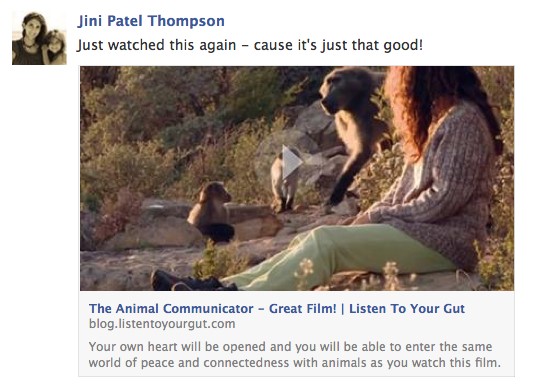
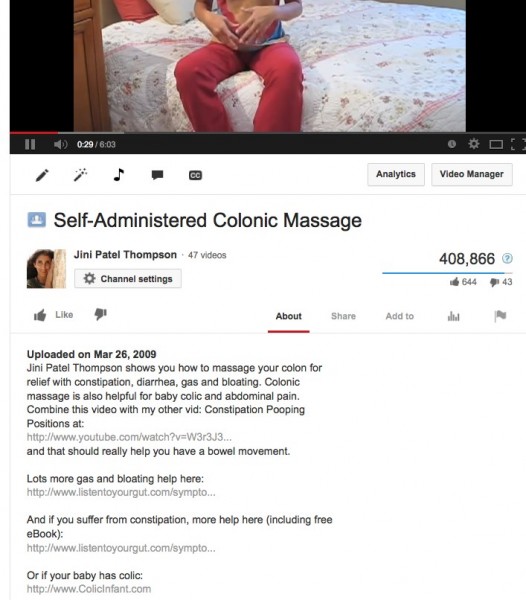




 Lastly, in the Keywords field, here’s where you choose a maximum of five keywords or keyword phrases and separate each word or phrase with a comma. So if you have a keyword phrase do not insert the comma until the end of the phrase. Do not use more than 5 keywords or it looks spammy and will decrease your ranking.
 We’ve all seen how quickly a great quote can go viral. Quotes also cause your reader to connect more deeply with you – because a resonant quote shows that you understand how they feel, or you share a frustration, but also a hope, or provide encouragement, or humor to lighten their day. And again, no matter which type of quote you post, a short quote is very easily and often shared among friends and family members (free marketing for you!).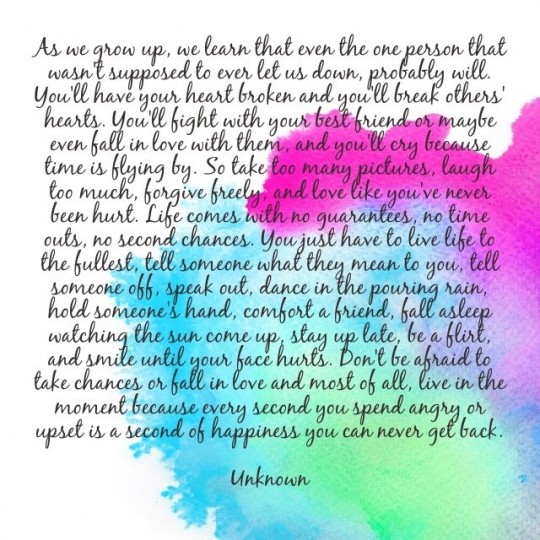


 When your body has good energy and your brain is sharp and quick, you can zip through your work much faster. So although I could write an entire book on how to have vibrant health (oh wait,
  So let’s not even mention the word ‘exercise’. Let’s talk about movement. And how about just making sure you MOVE your body somehow, every day?


 Staring at a screen for half the day (or a full day) will likely weaken your eyesight over time. And the older you are, the faster the change will occur.
 ou can also make screen-time easier on your eyes by downloading
  It never ceases to surprise me how many people think they can be effective and efficient keeping their task list in their head. Yet every single person I know who has tested working both ways – keeping their to-do list in their head, versus writing it down – finds they accomplish much more, much faster by writing their task list down!




Recent Comments